Are iPhones Safer Than Hardware Wallets for Crypto?
ZachXBT is sparking debate by suggesting that a dedicated iPhone might provide better security than traditional hardware wallets.
 coinbeat.news
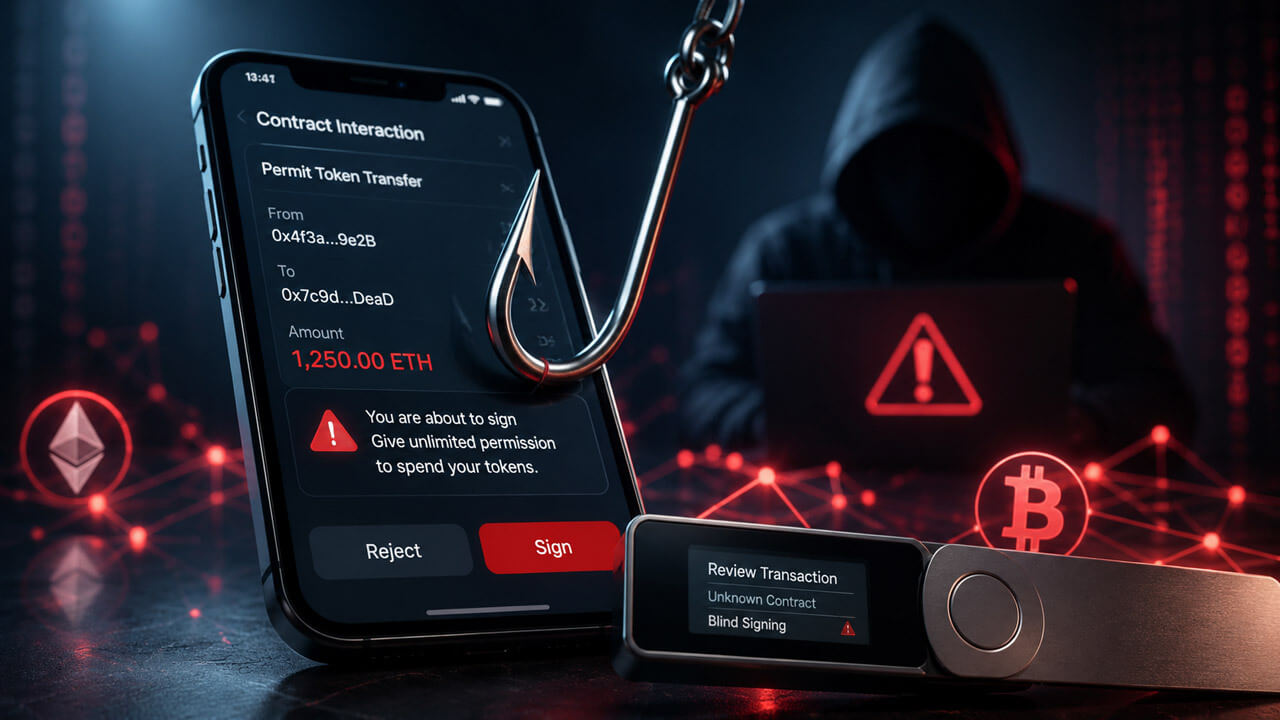
Crypto security experts are split on a new argument from ZachXBT. He suggests that a dedicated iPhone can be safer than a hardware wallet. While hardware wallets excel at keeping private keys off your computer, they often struggle to show users exactly what they are signing. This led to massive losses at places like Bybit and Radiant Capital, where users signed malicious transactions that looked legitimate on their small screens.
An iPhone offers a larger display, strong operating system sandboxing, and biometric locks. This environment allows for better transaction readability, which is key to stopping users from accidentally authorizing malicious smart contract calls. However, this does not mean the iPhone is a perfect solution. Bad apps can still slip through review processes, and the underlying silicon in an iPhone uses different standards than the cryptographic signatures required for Bitcoin or Ethereum.
The industry is now looking toward clear signing and policy wallets as the next step. Standards like ERC 7730 aim to translate confusing contract data into plain language that users can actually understand. Meanwhile, policy wallets introduce safety nets, such as daily spending limits or forced delays on large transfers, to stop hackers even if a signature is compromised.
For now, the consensus remains that different tasks require different tools. If you are storing long term Bitcoin, a dedicated hardware wallet remains the standard for air gapped security. If you are actively trading or interacting with complex protocols, a hardened iPhone paired with strict signing policies might provide better protection against modern scams.
Market sentiment
Be the first to react
▍Comments (0)
No comments yet. Start the conversation!